Egypt History Defender (EHD)

The Egypt History Defender (EHD) initiative is a cultural-education program operated by AncientFit LLC. Its mission is to preserve, promote, and support accurate representation of Egyptian history, heritage, and identity. EHD focuses on addressing widespread historical misconceptions, biased narratives, and misinterpretations that have arisen through outdated research practices, selective academic frameworks, and misrepresentation in media and popular culture.


For generations, Egyptian civilization has been the subject of global fascination. Yet, many historical narratives have been shaped by institutions and perspectives that did not reflect Egyptian voices, cultural context, or lived heritage. EHD seeks to offer an alternative: an educational platform rooted in Egyptian cultural understanding, academic integrity, and respect for historical accuracy.

Protection of Egyptian Historical Integrity

AncientFit is committed to preserving and protecting the integrity of Egyptian history and cultural heritage. To achieve this, AncientFit may collect, curate, and share historical information, educational resources, and verified research about Egypt. The platform reserves the right to identify, flag, or restrict content—including media, publications, or academic materials—that is demonstrably false, misleading, or inconsistent with recognized historical records and the national archives of Egypt. This policy ensures that users have access to accurate, reliable, and culturally authentic information while supporting the preservation and promotion of Egypt's historical identity worldwide.

EHD celebrates the continuous, unbroken heritage of the Egyptian people and their deep connection to ancient civilization. This initiative recognizes the importance of self-representation in historical discourse and encourages Egyptians worldwide to learn, preserve, and share their cultural identity with pride and knowledge.


EHD does not target or oppose any ethnic, political, religious, or academic group. Our mission is educational—not adversarial—focused solely on correcting inaccurate information and promoting responsible scholarship.

Program Goals

The EHD initiative aims to:

  • Promote evidence-based, culturally informed interpretations of Egyptian history
  • Encourage global recognition of Egypt's heritage, identity, and continuity
  • Provide resources that counter misinformation, misattribution, and distorted narratives
  • Empower Egyptians, especially youth and students, with accurate cultural and historical knowledge
  • Support ethical, respectful dialogue about Egyptian civilization in academic and public spaces
  • Highlight the importance of preserving Egyptian artifacts, heritage sites, and national history

Our Educational Approach

EHD operates through:

  • Educational articles and digital content
  • Cultural literacy workshops
  • Historical myth-busting materials
  • Research-backed explanations of Egyptian civilization
  • Media and academic bias analysis
  • Community discussions and cultural initiatives

Our approach is rooted in:

  • Academic neutrality
  • Cultural respect
  • Historical accuracy
  • Evidence-based sourcing
  • International educational standards

Articles On Debunked Myths

The Myth of Romans did exterminate all Egyptians

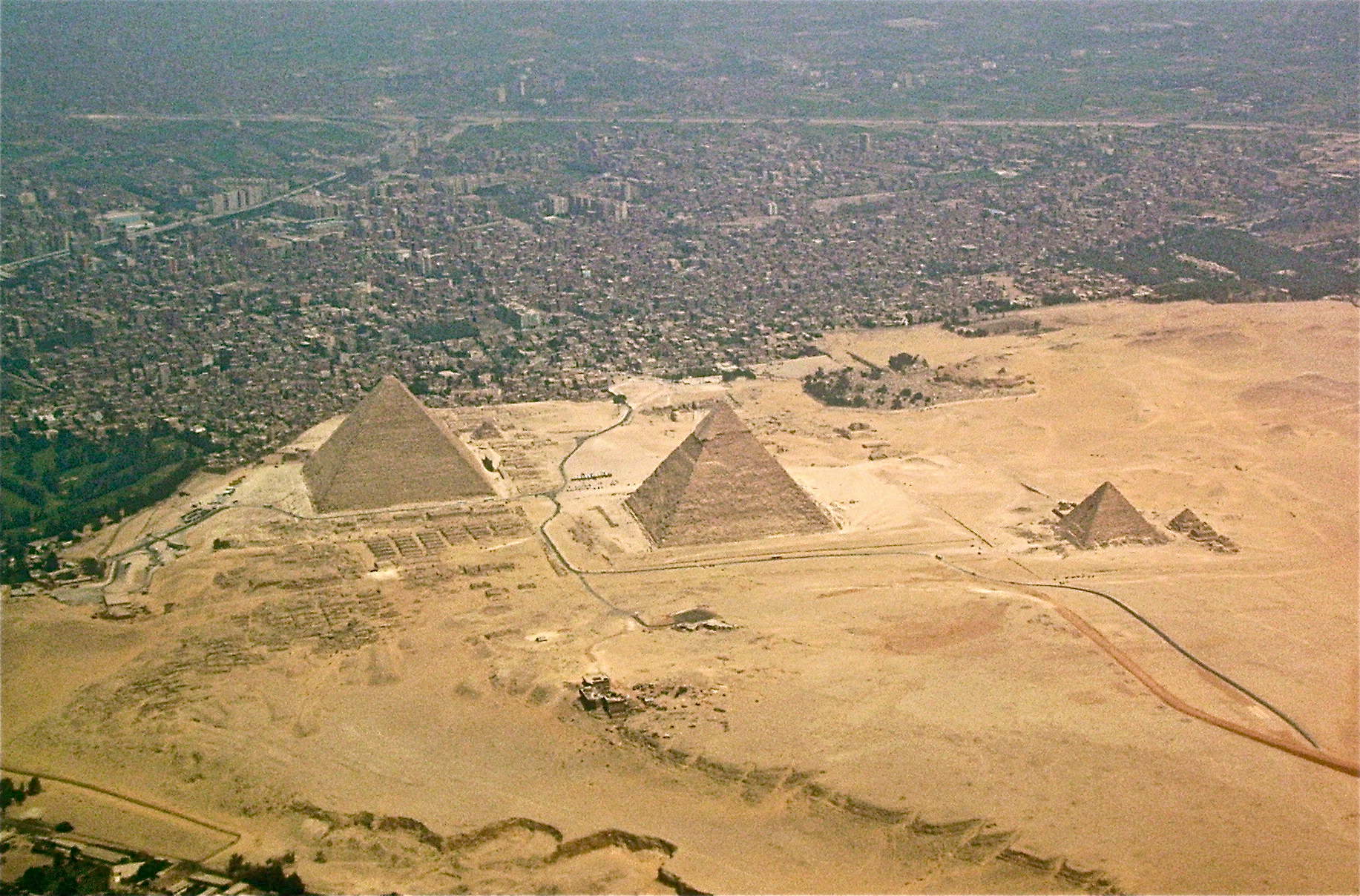
The Myth of Aliens Built the Pyramids

The Myth of Jews built Pyramids

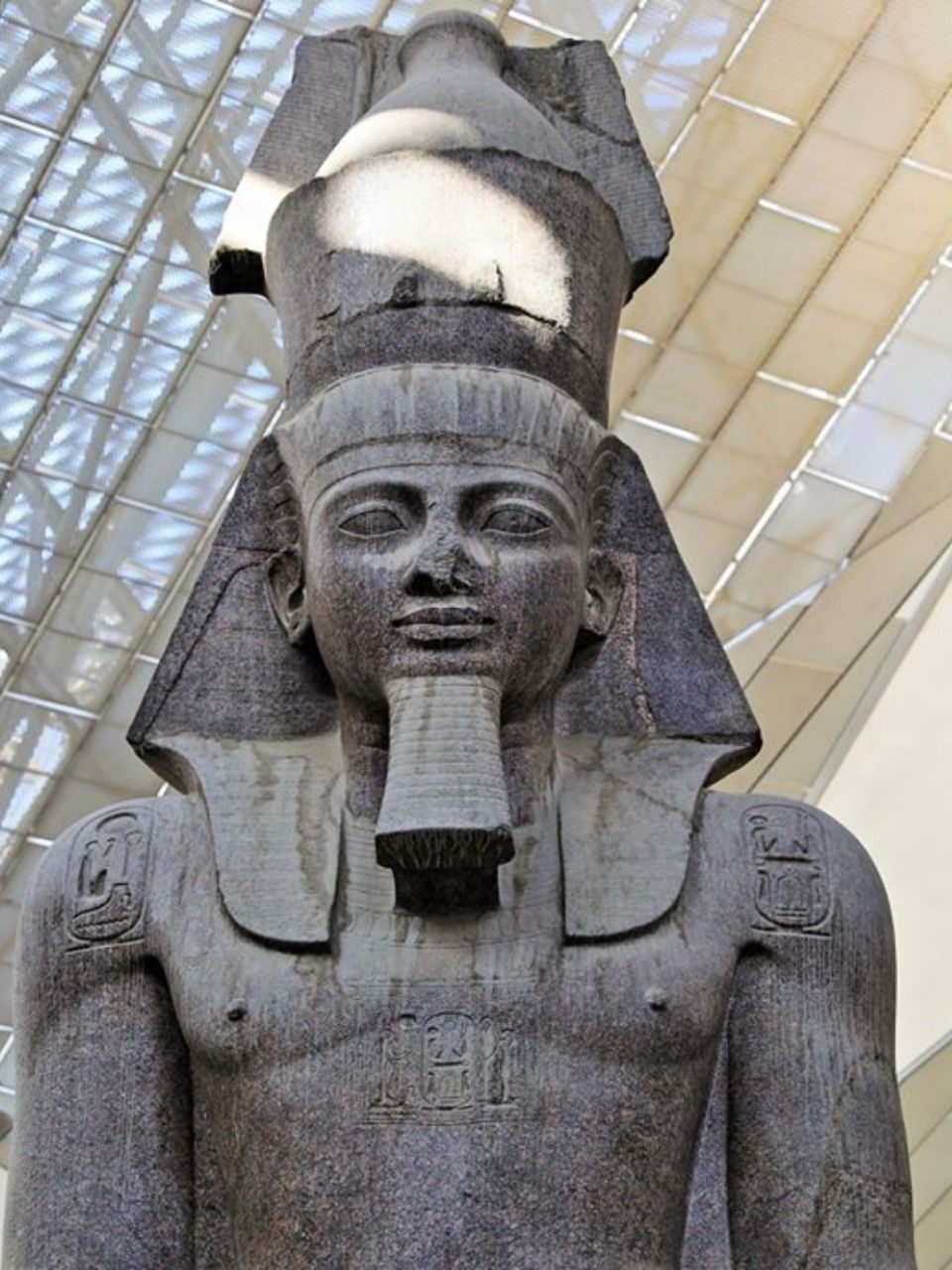
Ramesses II: Builder of Empires

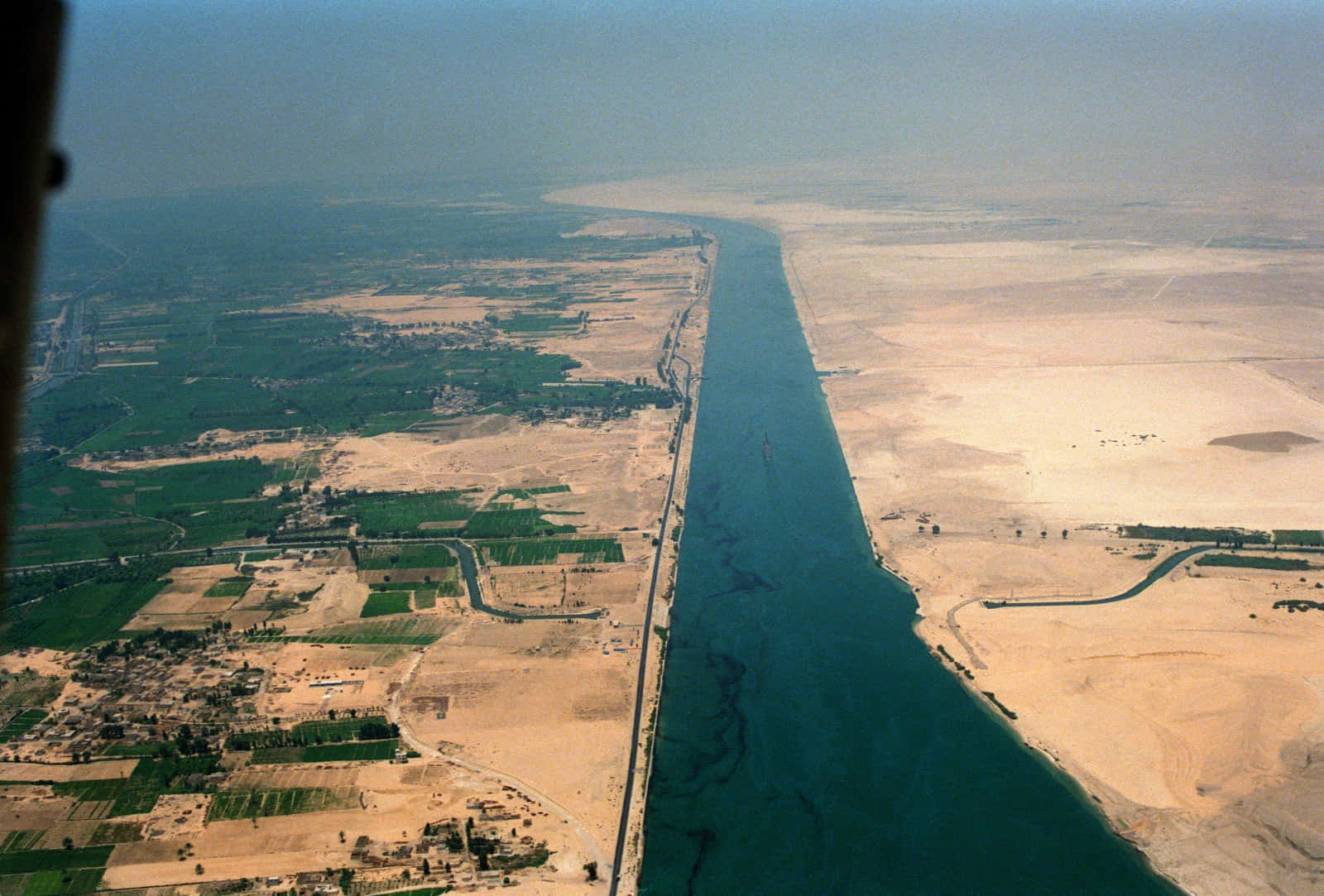
The Suze Canal

The Myth of Israel in Ancient Egypt

The Myth Of Ancient Egyptian Was Black

Debunking the “Christianization” Myth of Ancient Egyptian Wisdom

“White Ancient Egyptian” Myth

“The Myth of Egyptians Are Ethnically Arab"

“Karttass Surgical Papyrus"

“New Article Comming Soon"

"A List of All Unverified Claims About Egypt’s History"

⚠️ Blacklisted Media & Figures

⚠️ Podcast

The "Intellectual Dark Web" & Alt-Tech Circuit.

Joe Rogan Experience: The Joe Rogan Experience and Its Role in Distorting Public Understanding of Ancient Egypt.

List of Notable JRE Guests Contributing to Non-Scholarly Egyptology Narratives

The following individuals, often labeled as "alternative historians" or "independent researchers" by proponents and "pseudoarchaeologists" by academics, have been featured on JRE and presented theories that directly contradict mainstream Egyptology and archaeological consensus.

  • Graham Hancock: A frequent guest and central figure. Advocates for a "lost advanced global civilization" from the Ice Age, arguing that ancient sites like the Giza pyramids are much older and the work of this forgotten culture. His work is built on speculation and interpreted data rather than empirical evidence.
  • Robert Bauval: Co-author with Hancock. Proposed the "Orion Correlation Theory," suggesting the Giza pyramids are aligned with the stars of Orion's Belt as they appeared in 10,500 BCE. This theory is widely rejected by archaeologists and astronomers for its selective use of data.
  • Randall Carlson: A geologist and cataclysm researcher. Often appears with Hancock to provide geological arguments for a global catastrophic event around 12,800 years ago (the Younger Dryas Impact Hypothesis), which they use as a basis for the lost civilization narrative.
  • Brian Muraresku: Author of The Immortality Key. While focused on psychoactive substances in ancient religion, his episode ventured into speculative claims about the Eleusinian Mysteries and has been used to support broader, unverified narratives about secret ancient knowledge.
  • Michio Kaku: A respected theoretical physicist, but his appearances have at times included uncritical discussion of Hancock's and others' ideas, lending an air of "scientific" credibility to pseudoarchaeological claims by association.
  • Various Comedians and Enthusiasts: In less formal discussions, Rogan and his guests (e.g., Duncan Trussell, Eddie Bravo) often uncritially promote and sensationalize these alternative theories, further embedding them in the podcast's subculture.
Rogan-Adjacent & YouTube Archaeologists: Numerous smaller podcasts and YouTube channels that amplify and expand on JRE pseudohistorical narratives.

Key Channels & Their Issues

  • UnchartedX (Ben from Colorado): YouTube channel presenting speculative theories about ancient precision machining in Egypt as fact.
  • Bright Insight (Jimmy): YouTube channel promoting Atlantis theories connected to Egypt with selective evidence use.
  • Praveen Mohan's "Mystery" Channels: Multiple YouTube channels presenting speculative theories about Egyptian technology as revolutionary discoveries.
  • BEFORE US YouTube Network: Group of channels collectively promoting lost civilization theories focused on Egypt.
  • Ancient Architects: Despite the name, presents speculative theories rather than archaeological scholarship.
Lex Fridman Podcast: A podcast that mixes legitimate scientists with fringe thinkers, often presenting pseudohistorical theories with insufficient critical examination.

Problematic Episodes & Narratives on Ancient Egypt

  • Graham Hancock Appearances: Multiple episodes (#128, #189, #339) where Hancock's lost civilization theories are presented with minimal pushback, framed as "open-minded inquiry" rather than critiquing their lack of evidence.
  • Randall Carlson Episodes: Presents catastrophic geological theories that are then extended to support pseudohistorical claims about ancient civilizations.
  • Uncritical Platforming: Fridman's interview style often defaults to "interesting perspective" rather than rigorous skepticism when guests present claims contradicting archaeological consensus.
  • Academic Authority Misuse: By mixing legitimate physicists and computer scientists with pseudohistorians, creates false equivalence and lends undue credibility to fringe theories.
The Portal with Eric Weinstein: Positions itself as an "intellectual" podcast but frequently hosts guests promoting unconventional historical narratives without proper academic grounding.

Key Issues with Egyptian History Content

  • Anti-Establishment Framing: Regularly frames mainstream Egyptology as "closed-minded academia" protecting turf rather than engaging with evidence-based research.
  • Geometric/Occult Theories: Some guests promote numerological or "sacred geometry" interpretations of Egyptian monuments that lack archaeological support.
  • Weinstein's Own Speculations: Eric Weinstein himself has made unsupported claims about ancient knowledge systems being more advanced than credited.
  • Blurred Lines: Deliberately mixes legitimate critiques of academic bureaucracy with completely unfounded historical revisionism.
DarkHorse Podcast with Bret Weinstein: Originally focused on biology and evolutionary theory but increasingly platforms pseudohistorical narratives under the guise of "heterodox thinking."

Concerning Trends Regarding Egyptology

  • Lost Civilization Advocacy: Regularly promotes Hancock's theories, presenting them as scientifically plausible despite overwhelming archaeological counter-evidence.
  • Catastrophism Promotion: Heavily endorses Randall Carlson's Younger Dryas Impact Hypothesis as explanation for "lost" advanced civilizations.
  • Academic Conspiracy Narratives: Framing of mainstream archaeologists as suppressing "truth" for career preservation.
  • Crossover Episodes: Frequently hosts guests from the JRE pseudohistory circuit without critical examination of their claims.
The Higherside Chats with Greg Carlwood: Explicitly focused on conspiracy theories and alternative history, with regular episodes promoting Egyptian pseudohistory.

Primary Misinformation Vectors

  • Ancient Alien Focus: Regular episodes promoting von Däniken-style ancient astronaut theories about Egyptian monuments.
  • Pyramid Pseudoscience: Episodes claiming pyramids were power plants, energy generators, or advanced technological devices with no archaeological evidence.
  • Chronological Revisionism: Frequent claims that Egyptian civilization is tens of thousands of years older than established archaeology indicates.
  • Occult/Esoteric Theories: Promotion of hermetic, mystical, and secret society interpretations disconnected from actual Egyptian cultural context.
Mile Higher Podcast: True crime and paranormal podcast that frequently delves into Egyptian pseudohistory without distinguishing between entertainment and scholarship.

Problematic Egyptian Content

  • Paranormal Egyptian Theories: Episodes suggesting curses, supernatural elements, or psychic archaeology related to Egyptian sites.
  • Alternative Chronology Episodes: Presents theories about Sphinx water erosion and revised dating as settled fact rather than fringe hypotheses.
  • "Mystery" Framing: Presents well-understood archaeological aspects as "unsolved mysteries" to create false intrigue.
  • Crossover with Conspiracy Theories: Links Egyptian topics to modern conspiracy theories without evidence.
Aubrey Marcus Podcast: Wellness and spirituality podcast that often incorporates pseudohistorical narratives about ancient civilizations including Egypt.

Concerning Egyptian Narratives

  • Spiritual Appropriation: Takes Egyptian religious concepts out of context to support modern wellness and psychedelic theories.
  • Psychedelic Revisionism: Claims about Egyptian use of psychoactive substances in religion that exceed archaeological evidence.
  • "Ancient Wisdom" Commercialization: Uses Egyptian themes to market modern supplements and wellness products.
  • Mystical Pyramid Theories: Episodes promoting energy, consciousness, or vibrational theories about pyramids without scientific basis.
Under the Skin with Russell Brand: Spiritual and philosophical podcast that sometimes hosts guests promoting unconventional historical views about Egypt.

Issues with Egyptian Historical Content

  • Esoteric Interpretations: Favors mystical and allegorical readings of Egyptian history over archaeological evidence.
  • Conspiracy-Adjacent Theories: Episodes suggesting mainstream Egyptology hides "true spiritual meanings" of monuments.
  • Selective Scholarship: Uses outdated or discredited sources to support alternative narratives.
  • Spiritual Bypassing: Uses Egyptian themes to promote personal growth narratives disconnected from historical reality.
The Duncan Trussell Family Hour: While primarily comedic and philosophical, occasionally explores pseudohistorical ideas about Egypt without adequate skepticism.

Concerning Elements

  • Entertainment Over Accuracy: Presents pseudohistorical theories as "fun ideas" without clarifying they lack scholarly support.
  • Crossover with JRE Narratives: Regularly references and promotes theories from frequent JRE pseudohistory guests.
  • Psychedelic Connections: Links Egyptian spirituality to modern psychedelic experiences without historical evidence.
  • Comedic Framing Masking Promotion: Uses humor to present pseudohistorical claims, making criticism seem like "not getting the joke."
Theories of the Third Kind: Explicitly paranormal and conspiracy-focused podcast with regular episodes promoting Egyptian pseudohistory.

Primary Misinformation Patterns

  • Ancient Astronaut Focus: Regular promotion of von Däniken's theories about Egyptian monuments being alien-built or inspired.
  • Supernatural Claims: Episodes suggesting Egyptian curses, magic, and paranormal phenomena as historical fact.
  • Alternative Technology Theories: Claims about lost advanced technology in pyramid construction exceeding archaeological understanding.
  • Conspiracy Framing: Presents mainstream Egyptology as actively suppressing "truth" about Egyptian origins.
Television & Streaming "Documentary" Series: Professionally produced series that lend production-value credibility to pseudohistorical narratives.

Major Offenders in Egyptian Pseudohistory

  • Ancient Aliens (History Channel): The most influential purveyor of Egyptian pseudohistory, with over 200 episodes promoting ancient astronaut theories.
  • Key Issues: Presents speculation as investigation, uses "experts" without relevant credentials, creates false mysteries, and ignores archaeological consensus.
  • The Pyramid Code (Netflix/Amazon): Presents theories about pyramids as consciousness tools and energy devices.
  • Key Issues: Blends New Age spirituality with pseudohistorical claims, misrepresents Egyptian spiritual practices.
  • Search for the Lost Giants (History Channel): Includes Egyptian pseudohistory segments suggesting giant skeletons were hidden.
  • Various "Mystery of the Sphinx" Specials: Multiple productions promoting water erosion theory and revised dating as settled fact.
Movie:"Queen Cleopatra (Netflix docudrama, 2023).
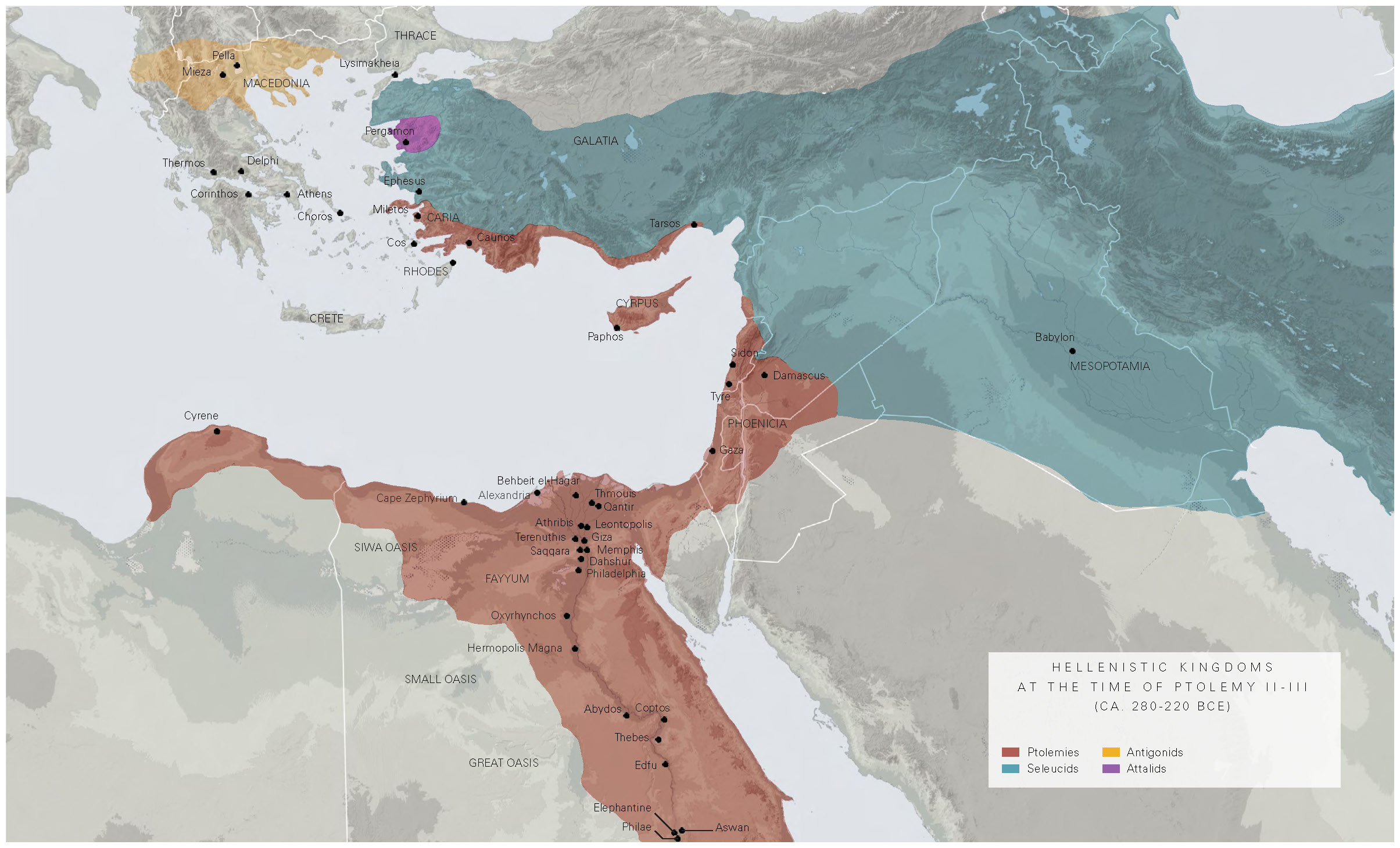
  • Sparking intense backlash in Egypt for “blackwashing” Cleopatra; critics (and legal action) argued the show misrepresented her Macedonian-Greek heritage.
  • Critics argue Cleopatra belonged to the Greek Ptolemaic line, not a Sub-Saharan or Afrocentric portrayal.

⚠️ Movies

Movie:"Gods of Egypt" (2016) — Completely inaccurate casting and mythological misrepresentations.
  • Heavily criticized for whitewashing—casting white actors as Egyptian gods—and launching anachronistic and fantastical designs reminiscent of Las Vegas-style sets. Seen as perpetuating colonial-era “Orientalist” views and exotic labels.
Movie:"Tut (2015 miniseries)".
  • Fictionalized Tutankhamun's age, relationships, political battles, and even a murder plot—none supported by historical evidence.
  • Embellishments include romance, conspiracies, false death motives, and stylized visuals that misrepresented culture and burial practices.
Movie:"Exodus: Gods and Kings (2014) — Completely inaccurate casting and mythological misrepresentations.
  • Criticized and banned in Egypt and Morocco for historical inaccuracies—such as depicting Jewish slaves building the pyramids and a naturalistic Red Sea parting—labelled a “Zionist film” by Egypt's culture minister. Also noted for its predominantly white cast and portrayal of Egyptians through a Westernized lens. “Egypt has banned a Hollywood film… because of what censors described as "'historical inaccuracies',” including Jews building the Pyramids and an earthquake—not a miracle—parting the Red Sea
Movie:"The Pyramid (2014)".
  • Though fictional horror, widely panned for lack of archaeological grounding; pyramid environment and ancient rites used as shallow scare setups rather than respecting heritage.
Movie:"Chasing Mummies (2010).
  • TV “reality” show featuring Zahi Hawass criticized for staged scenarios and disrespectful dramatization of archaeological digs.
Movie:"10,000BC (2008)".
  • depicts pyramid building with mammoths in prehistoric times, a wildly inaccurate fantasy.
Movie:"The Mummy (1999)".
  • its remakes—criticized for mixing myth, horror, and archaeology, feeding on stereotypes.
Movie:"The Prince of Egypt (1998)".
  • Disney's animated retelling of Exodus, portrayed Jewish slavery and pyramid-building scenes in ways that historians deem misleading.
Movie:"Stargate (1994)".
  • Frequently cited by Egyptology experts as one of the worst cinematic misrepresentations, linking pyramid construction to aliens and stripping Egyptians of credit.
Movie:"Cleopatra (1963) and Carry On Cleo (1964)".
  • classic examples of whitewashing, European casting, and stereotyped portrayals.

⚠️ BOOK

Book: "Not Out of Africa: How Afrocentrism Became an Excuse to Teach Myth as History by Mary Lefkowitz (2000).
  • A scholarly takedown of exaggerated Afrocentric claims about Egypt→Greece transfers; calls such claims “absurd”.

Afrocentric & Nationalistic Distortions

Book: "Black Athena" by Martin Bernal (1980, etc.)
  • The Afroasiatic Roots of Classical Civilization by Martin Bernal Promotes pseudo-historical claims with no archaeological backing. Inspired in part by Terrasson's fictional "Sethos" and similar Afrophilia myths, since challenged for lacking historical basis
Book: "Stolen Legacy: The Greeks Were Not the Authors of Greek Philosophy… by George G. M. James (1954).
  • (Claims Greek philosophy was stolen from ancient Egyptians post-Alexander—widely dismissed as pseudohistory by historians)

"Pseudoarchaeology & Fringe Speculation"

Book: Fingerprints of the Gods (1995), The Message of the Sphinx (1996), & Magicians of the Gods (2015) by Graham Hancock (with Robert Bauval).
  • (Speculate that Giza was built circa 10,500BCE by a lost “advanced civilization”—rejected by mainstream archaeology for cherry-picked evidence)

"Antiquarian Forgery & Fantasy"

Book: Life of Sethos by Abbé Jean Terrasson (1731).
  • A fictional novel styled as ancient Egyptian memoirs—spawned centuries of myths like Afrocentric apocrypha
Book: Book of Sothis (pseudepigraph).
  • attributed to Manetho but likely forged pre-5th-century CE, with little value to authentic Egyptology

"Racist Distortion & 20th-century Myths"

Book: Works by Chelsea Luellon Bolton, Normandi Ellis, Nicki Scully, etc.
  • Criticized within Kemetic communities for shallow “magical” re-translations, Nazi mysticism ramblings, and little scholarly value

"Pseudoarchaeology & Occult Origins"

Book: The Secret Doctrine by Helena P. Blavatsky (1888).
  • A foundational theosophical text blamed for plagiarism and containing unsubstantiated race theories, including fabricated Egyptian “ancient wisdom” sourced from mythical books like Dzyan and Senzar—criticized as lacking any reliable historical method
Book: Isis Unveiled by Helena P. Blavatsky (1877).
  • Early occult pseudohistory mixing fantasy, religion, and myth. Scholars highlight extensive plagiarism and fictionalizing of Egyptian lore.

"Lost Civilizations & Out-of-Time Theories"

Book: From Atlantis to the Sphinx by Colin Wilson (1996).
  • Argues that a forgotten, advanced civilization built the Sphinx and Giza pyramids around 10,000BCE—bypassing standard Egyptological research
Book: The Graham Hancock Trilogy.
  • Fingerprints of the Gods (1995).
  • The Message of the Sphinx (1996)
  • Magicians of the Gods (2015) - Proposes catastrophist, lost-civilization origins of Egyptian monuments—strongly criticized by academics for cherry-picking data and logical inconsistencies.
Scholar: Joann Fletcher — Promotes controversial DNA theories that attempt to disconnect modern Egyptians from ancient heritage.