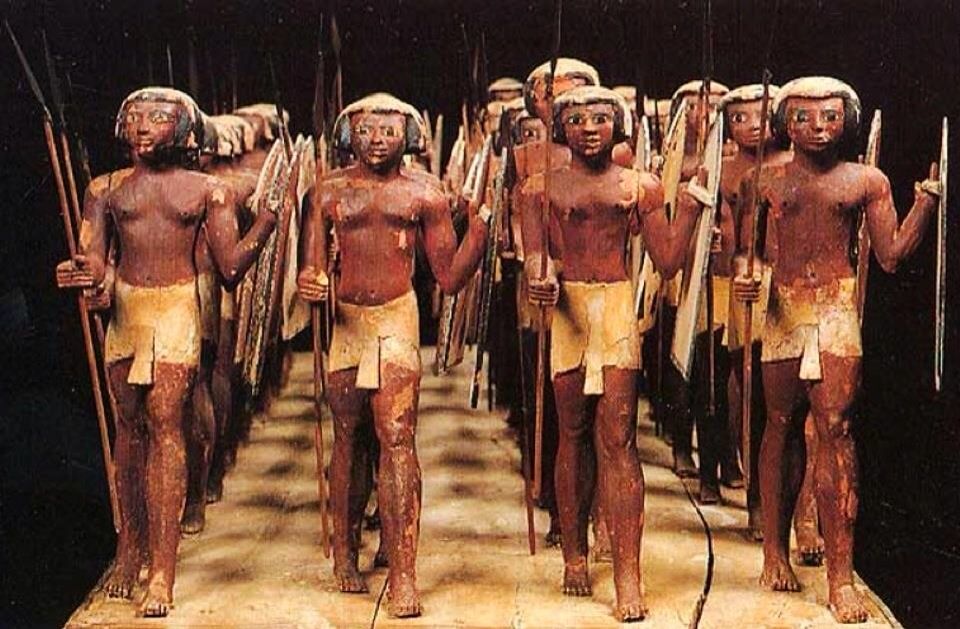
🛡️⚔️ The Egyptian army is the oldest centralized military institutions in human history, first organized under King Narmer (c. 3100 BCE), the unifier of Upper and Lower Egypt. Visual records like the Narmer Palette and official inscriptions demonstrate Narmer's use of coordinated infantry forces, standard-bearers, and early tactical formations. During the New Kingdom era (c. 1550-1070 BCE), the Egyptian army reached its peak under kings like Thutmose III, Seti I, and Ramesses II, who led large-scale campaigns in Asia and Nubia. As documented by the Ministry of Antiquities, the army was organized into four primary divisions: Amun, Ra, Ptah, and Seth—each named after a state deity and consisting of approximately 4,000 to 5,000 soldiers, based on wall reliefs at Karnak and the Ramesseum. These divisions included infantry (foot soldiers), archers (pḏt), and chariotry (elite mobile units). The Amun Division, stationed in Thebes, was often the lead force, followed by Ra on the left, Ptah in the center, and Seth on the right flank. Supporting units included engineers, water carriers, shield bearers, and logistics staff.
Leadership was structured through a hierarchy of ranks attested in temple inscriptions and tomb autobiographies. The highest rank under the king was the “Overseer of the Army” (imy-r mšʿ), followed by specialized commanders like the “Commander of Bowmen” (imy-r pḏt) and “Scribe of the Army” (sš mšʿ) who handled records and logistics. The Medjay, originally an ethnic group from Nubia, became Egypt's elite paramilitary force, guarding royal sites, deserts, and borders. The State Information Service (SIS) and the Ministry of Antiquities document these structures through exhibitions such as the Military Life of the Ancient Egyptian at Luxor Museum, and through site discoveries like Tell al-Abqain and Qantara Sharq, where archaeologists uncovered military barracks, weapons, and administrative buildings bearing the seal of Ramesses II. Defensive systems like the Way of Horus—a chain of fortresses from the Nile Delta to Sinai—enabled rapid troop deployment and protected Egypt's eastern frontier. These findings, supported exclusively by Egyptian excavations and archival institutions, affirm that Egypt's ancient military was not only powerful but fully state-organized, independent, and strategically advanced from as early as 3100 BCE.
🏛️ "To the courageous sons of Egypt — the Egyptian Army — we extend our deepest gratitude and absolute respect. Since the dawn of civilization in 3100 BCE, you have stood unyielding as the shield and sword of this nation — defending its borders, protecting its people, and preserving its timeless heritage. In the face of every threat, every hardship, and every test of our sovereignty, you have never faltered. With unmatched loyalty, discipline, and sacrifice, you have kept Egypt sovereign, strong, and free. You are not merely defenders of the homeland — you are guardians of a legacy that spans over 5,000 years of glory and resilience. We do not just honor you — we stand with you, proudly, as you have always stood before us with unwavering courage. Long live Egypt. Long live its heroic and eternal army. Beginning March 1st of each year, we will mark the founding of our national army not only with ceremony, but with strength, unity, and pride. Through a spirited fitness parade, we will raise the Egyptian flag 🚩 high in a powerful national act — a living symbol of our shared resilience and an echo of the determination that defines our military legacy. For more information about the fitness parade, please visit the EVENTS section.


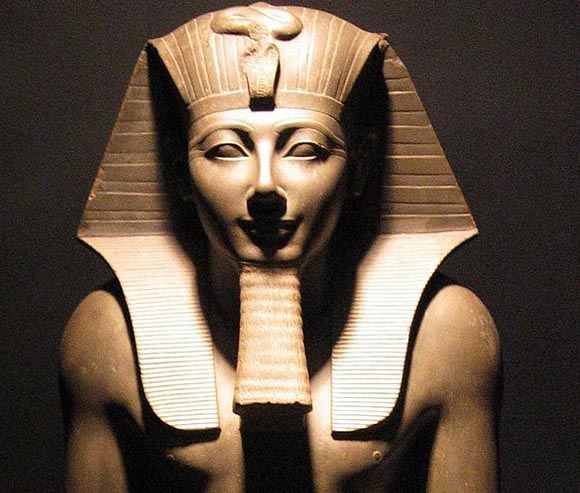
🛡️⚔️ Military Expansion Under (Thutmose-III) 📜 The Battle of Megiddo — Egypt's First Great Military Triumph Approximate Date: April 16 1457 BCE Pharaoh: Thutmose III, Location: Near Palestine (ancient Canaan) 🔱 Historical Significance The Battle of Megiddo is widely regarded as the first recorded battle in history with detailed accounts, thanks to inscriptions on the walls of the Temple of Amun at Karnak. It marked a turning point not just in Egyptian military history, but in ancient warfare itself. Thutmose III, often called the "Napoleon of Ancient Egypt", led a bold and unexpected march through a narrow mountain pass to launch a surprise attack against a coalition of Canaanite city-states, led by the King of Kadesh. Despite risks, his strategy succeeded — the enemy was overwhelmed and besieged in the city of Megiddo, which eventually surrendered. Thutmose's forces captured hundreds of chariots and thousands of horses and prisoners.
Military Impact Egyptian supremacy in the Levant was firmly established. The battle opened the door to a series of 17 military campaigns led by Thutmose III across Syria and Canaan.Egypt gained wealth, tribute, and influence as far as the Euphrates River. The victory reinforced Egypt's status as an imperial power in the ancient Near East. 🏛️ Legacy The Battle of Megiddo showcased early military strategy, logistics, and psychological warfare. It represents one of the earliest examples of Field intelligence, Supply-line planning and Political diplomacy through military power, the Egyptian army under Thutmose III demonstrated clear use of organized intelligence gathering, espionage tactics, and reconnaissance during campaigns — especially at the Battle of Megiddo (c. 1457 BCE). For more information about the fitness parade, please visit the EVENTS section.
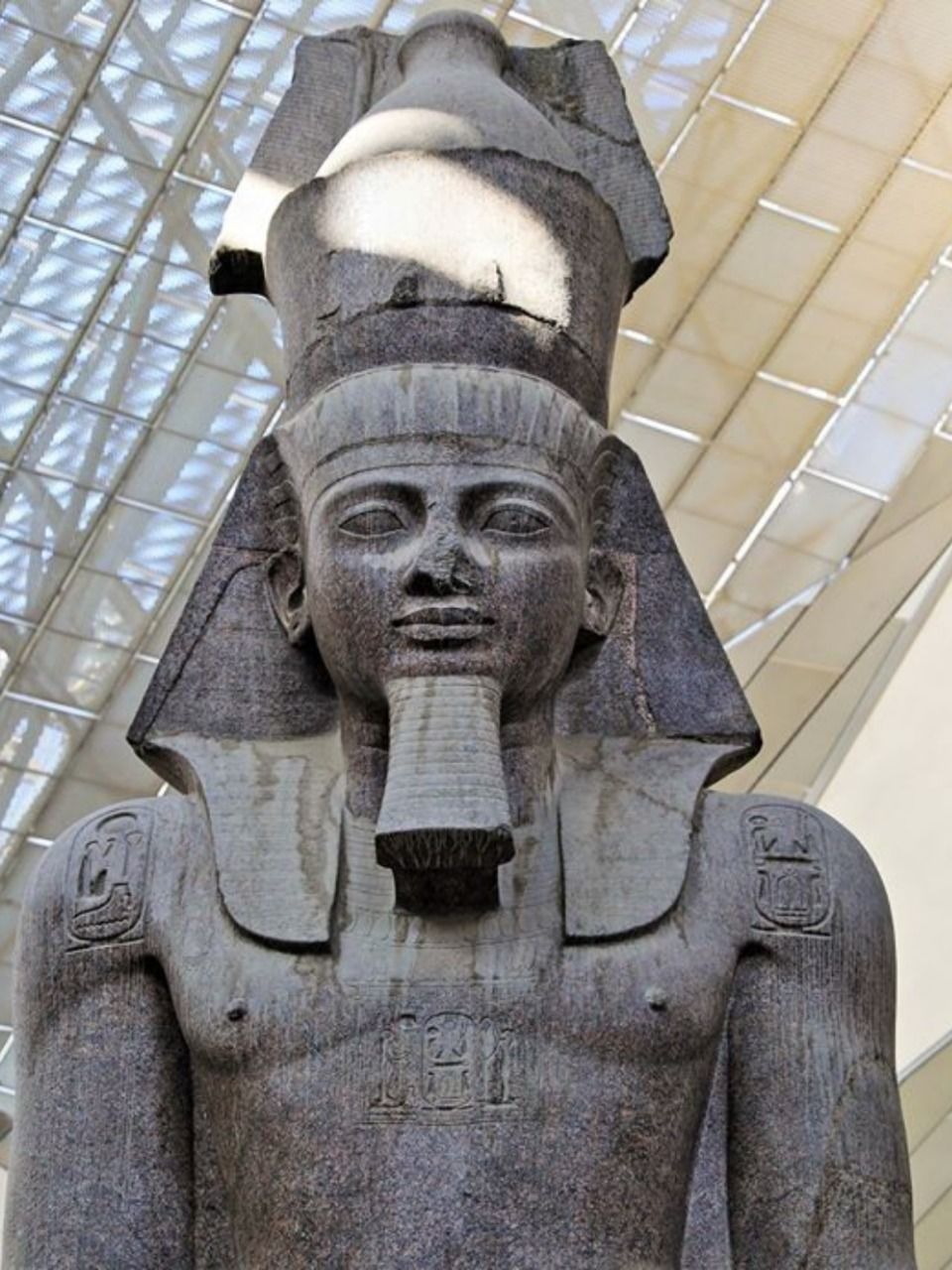
🛡️⚔️ In the late 14th century BCE, Egypt lost much of its Syrian territory to the Hittites. Ramesses I and Seti I began reclaiming these lands, but by the time Ramesses II took the throne, the Hittites had regained control. In May 12 1274 BCE, Ramesses marched to seize Kadesh, but his scattered divisions were ambushed by Hittite chariots. A critical mistake by the Hittites—pausing to loot—allowed Ramesses to regroup and counterattack. The battle raged for two days with heavy losses on both sides, and though Ramesses claimed victory, historians consider it a draw.Despite this, Egypt had halted Hittite expansion. In 1259 BCE, Ramesses II and King Hattusili III signed the world's first recorded peace treaty, later sealed through diplomatic marriage. Ramesses, shaped by the military legacy of his grandfather and father, immortalized the Battle of Kadesh in temple reliefs as a symbol of bravery, strategy, and enduring leadership.
🏛️ We stand today in solemn tribute to a legendary warrior, a brilliant tactician, and a builder of peace — His Majesty Ramesses II. From the fields of Kadesh to the halls of Karnak, your legacy endures not only in stone, but in the strength of our nation's spirit. You led with valor, fought with wisdom, and taught us that true power lies not only in conquest, but in diplomacy and unity. May the memory of Ramesses the Great inspire every soldier and citizen of Egypt to honor our heritage with pride, courage, and resilience. Long live Egypt. Glory to its eternal army. For more information about the fitness parade, please visit the EVENTS section.
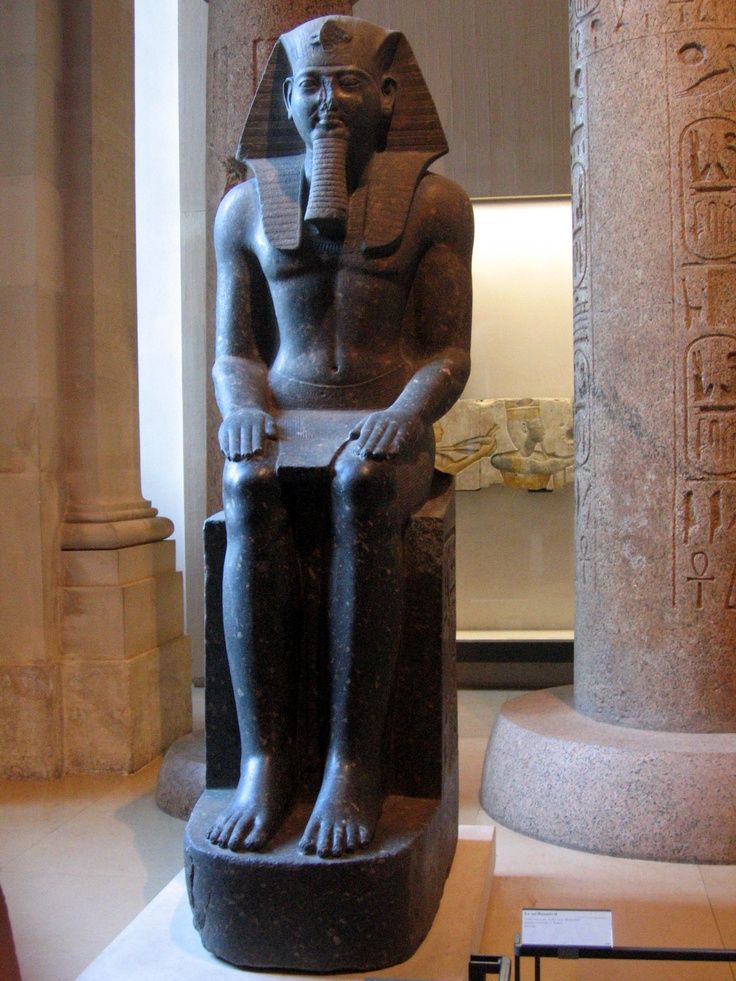
🛡️⚔️ Around 1177 BCE, Egypt faced a massive wave of invasions by mysterious warrior groups known collectively as the Sea Peoples—seaborne raiders who had already devastated major powers across the eastern Mediterranean. Unlike the Hittites, Mycenaeans, and others who fell, Pharaoh Ramses III successfully defended Egypt through decisive land and naval battles, including a famous ambush at the Nile Delta. His victory, recorded in vivid reliefs at Medinet Habu, preserved Egyptian sovereignty during a time of widespread collapse, marking one of the final military triumphs of the New Kingdom.
🏛️ We gather in solemn respect to honor the legacy of His Majesty, Pharaoh Ramses III — the last great warrior-king of the New Kingdom, and the unyielding defender of Egypt. In a time of chaos and collapse, when mighty empires around the Mediterranean fell to foreign invaders, Ramses III stood as a wall of stone between Egypt and destruction. With unmatched courage, brilliant strategy, and unwavering resolve, he repelled the fearsome Sea Peoples and preserved the sovereignty of our land. His victories at sea and on the shores of the Nile safeguarded not only Egypt's borders, but its culture, its temples, and its enduring legacy. May his name be remembered with honor, and may his strength inspire all who rise to protect this sacred land. Glory to Ramses III — guardian of Egypt, hero of the Delta, and eternal symbol of resistance. For more information about the fitness parade, please visit the EVENTS section.
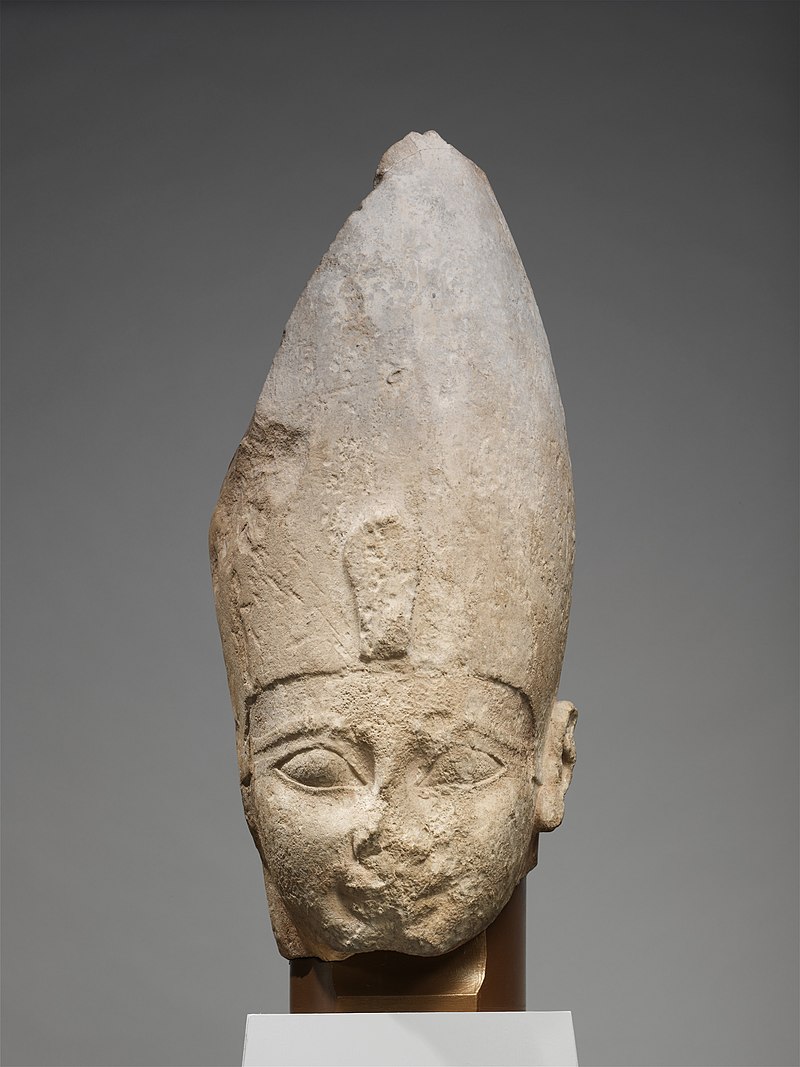
🛡️⚔️ Pharaoh Ahmose I (reigned c. 1550-1525 BCE), founder of Egypt's 18th Dynasty, was the pivotal unifier and liberator who drove out the Hyksos—a foreign Semitic-speaking group that had occupied the northern Nile Delta for over a century during Egypt's Second Intermediate Period. Ahmose ascended the throne in his teenage years, following the martyrdom of his father Seqenenre Tao and brother Kamose, both of whom resisted the Hyksos. Upon consolidating power in Thebes, Ahmose launched a series of decisive military campaigns around 1550 BCE. He besieged the Hyksos capital of Avaris in the eastern Delta using advanced siege tactics and a navy—a rare occurrence in Egyptian warfare at the time. After capturing Avaris, he pursued the fleeing Hyksos into southern Canaan, capturing Sharuhen after a three-year siege, ensuring they would never threaten Egypt again. This victory marked the end of the Hyksos occupation and restored Egyptian sovereignty. Ahmose didn't stop with military triumphs: he restructured Egypt's internal administration, reopened quarries and mines, undertook monumental building projects—including at Abydos and Karnak—and reestablished religious and economic stability. His reign marked the beginning of the New Kingdom (c. 1550-1070 BCE), Egypt's golden imperial age. For his enduring legacy in saving the Egyptian nation from foreign domination and laying the foundation of an empire, Ahmose I is revered as one of the most important warrior-kings in Egypt's 5,000-year history.
🏛️ In Honor of Pharaoh Ahmose, On May 17, the Egyptian people honor the legendary reign of Pharaoh Ahmose I, the liberator who cast out the Hyksos invaders and restored Egypt's sovereignty over its sacred soil. This day marks the symbolic end of foreign occupation and the birth of a unified, independent Egypt in circa 1550 BCE, when Ahmose conquered the Hyksos capital of Avaris and later razed their final stronghold in Sharuhen. It was not only a military victory but a national resurrection. Under Ahmose's leadership, Egypt emerged from the shadows of humiliation and division to reclaim its divine order — Ma'at — and reassert its destiny as a cradle of civilization. Today, we do not simply honor a warrior-king; we honor the will of a people to rise after being broken, to unite after being divided, and to rebuild after ruin. On this solemn day, Egypt bows its head to the spirit of Ahmose I, Defender of the Homeland, Founder of the New Kingdom, and Eternal Guardian of Egyptian Unity. May 17 shall forever echo the ancient cry: “No foreign rule shall last on Egyptian soil.” Long live Ahmose. Long live Egypt.. For more information about the fitness parade, please visit the EVENTS section.
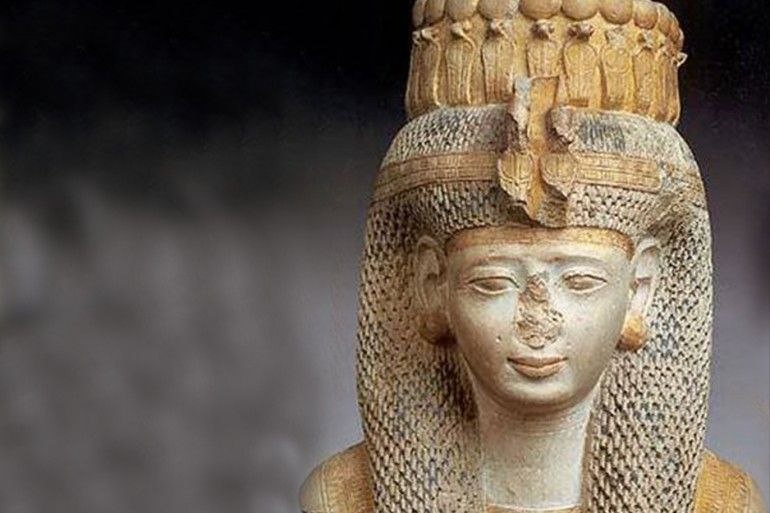
🛡️⚔️ Queen Nefertari (circa 1300-1255 BCE), the beloved Great Royal Wife of Pharaoh Ramses II of Egypt's 19th Dynasty (reigning c. 1279-1213 BCE), was a towering figure of political influence, cultural patronage, and international diplomacy. She appears prominently in royal iconography from the very first year of Ramesses II's reign—seen in temples at Abydos, Luxor, and Karnak, leading royal children and participating in major religious festivals. Renowned for her elevated status, Nefertari bore titles such as “Great of Praises,” “Mistress of the Two Lands,” and “God's Wife,” reflecting her spiritual as well as political clout One of few queens ever to receive a temple in her own honor—dedicated to Hathor at Abu Simbel—she is depicted in colossal form equal in size to the king himself, an exceptional honor in Egyptian art. . Her tomb, QV66 in the Valley of the Queens, is considered one of antiquity's most exquisitely decorated, with richly painted astronomical ceilings and scenes drawn from Book of the Dead text—earning it the moniker “Sistine Chapel of Ancient Egypt”. Further cementing her role in diplomacy, her name appears in Hittite archives—spelled “Naptera”—where she corresponded directly with Queen Puduhepa, sending gifts and affirming peace between Egypt and the Hittite empire, a remarkable display of political agency for a royal consort
🏛️ In Honor of Queen Nefertari, Let us gather annually on November 12, the anniversary of the discovery of Queen Nefertari's tomb, to celebrate and honor her extraordinary legacy. On this day, we commemorate a woman of unmatched elegance, cultural brilliance, and diplomatic finesse—Queen Nefertari, “Mistress of the Two Lands” and consort of Ramses II. She redefined royal femininity by bridging the divine and the political: she was not only a ceremonial presence but a pillar of Egypt's international stature, whose legacy lives on in her monumental temple at Abu Simbel and the breathtaking artistry of her final resting place. May each November 12 be a moment to reflect on her grace and wisdom, inspire respect for the enduring strength of women in our heritage, and renew our commitment to unity, peace, and cultural splendor, just as she lived and led centuries ago. . Long live Egypt.. For more information about the fitness parade, please visit the EVENTS section.
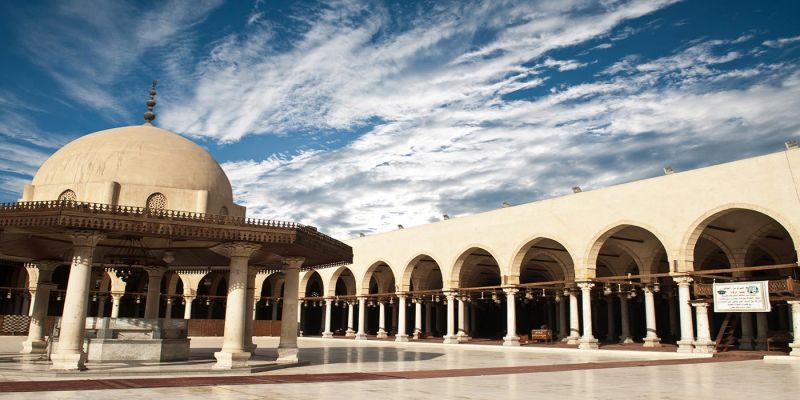
🛡️⚔️ In 640 CE, the Rashidun Caliphate, under the leadership of Amr ibn al-As, launched a decisive campaign to liberate Egypt from Byzantine rule. The pivotal clash occurred at the Babylon Fortress, near modern-day Cairo, where Amr's forces outmaneuvered and overwhelmed the Byzantine army. This victory led to the fall of Byzantine control and opened the gates to Fustat, which became the first Islamic capital of Egypt. Recognizing the importance of unity, Amr ibn al-As worked to stabilize the region by involving native Egyptians in administration, logistics, and local governance. Many Egyptians — who had long endured religious persecution under Byzantine rule — welcomed this new era of tolerance and cooperation. Egypt's peaceful integration into the Islamic world marked the beginning of a new chapter in its long and storied history.
🏛️ In Honor of Amr ibn al-As and the Victory at the Babylon Fortress Today, we honor the courage, wisdom, and leadership of Amr ibn al-As — the commander who secured Egypt's freedom from Byzantine rule with the historic fall of the Babylon Fortress in 640 CE. In victory, he chose inclusion over division. By embracing the talents of native Egyptians and respecting their faith and contributions, Amr laid the foundation for a new era of unity, justice, and lasting peace.His legacy is not only one of military brilliance, but also of visionary governance that earned the trust of the people. May his example remind us that true strength lies not only in conquest, but in compassion, wisdom, and cooperation. Glory to the defenders of Egypt — past and present. May the spirit of resilience and unity endure forever. For more information about the fitness parade, please visit the EVENTS section.
.gif)
🛡️⚔️ From the 11th to 13th centuries, Egypt faced repeated invasions during the Crusades, as European forces sought to conquer the heart of the Muslim world. One of the most critical confrontations was the Siege of Damietta (1218-1219 CE) during the Fifth Crusade, where Crusader forces launched a prolonged assault on the strategic port city. Despite immense pressure, the Egyptian defenders—led by the Ayyubid dynasty and supported by native Egyptian civilians, workers, and militias—stood united in defense of their land. Native Egyptians played a crucial role in maintaining supplies, fortifications, and communication networks, especially along the Nile Delta. Through collective resilience, tactical brilliance, and mastery of the terrain, Egypt repelled the invasion. The Crusaders ultimately failed to advance further, and Egypt remained unconquered, preserving its independence and strategic leadership in the region.
🏛️ In Honor of Egypt's Stand Against the Crusaders We remember with pride the defenders of Egypt who stood firm against the waves of Crusader invasions between the 11th and 13th centuries. In the face of foreign campaigns driven by ambition and conquest, the people and leaders of Egypt stood united—resolute in their defense of faith, sovereignty, and civilization. The victory at Damietta in 1219 was more than a military triumph; it was a statement of resilience, strategy, and unshakable national will. May the legacy of those who defended our land inspire us today, and may Egypt forever stand strong, proud, and free. For more information about the fitness parade, please visit the EVENTS section.
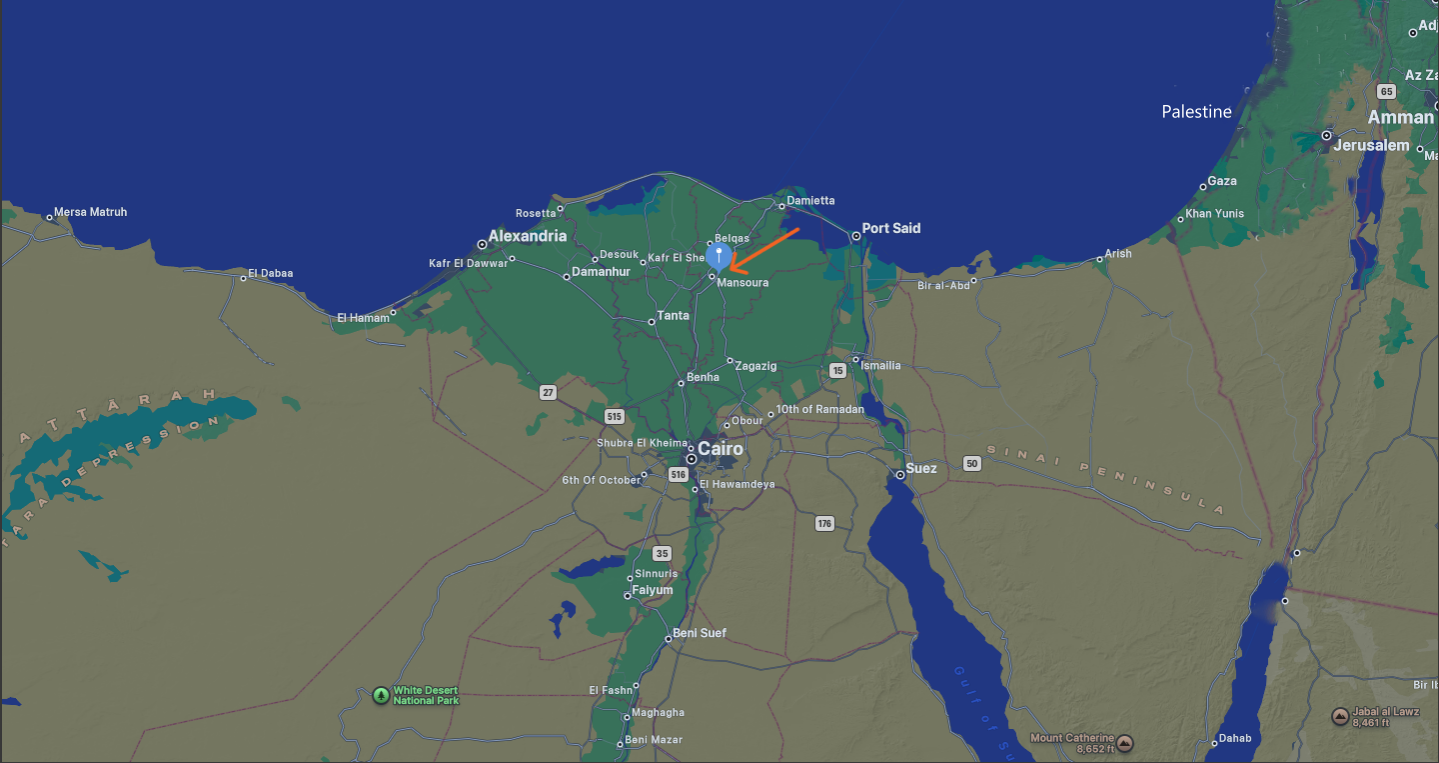
🛡️⚔️ In April 6 1250 CE, during the Seventh Crusade, the French king Louis IX launched a military campaign to conquer Egypt, aiming to strike at the heart of the Muslim world. The Crusaders advanced from Damietta and attempted to seize Al Mansurah, a fortified city strategically positioned in the Nile Delta. However, the Mamluks, newly rising to power, launched a fierce defense led by commanders like Faris ad-Din Aktai and Baybars al-Bunduqdari. Crucially, native Egyptians played a vital role in resisting the invasion. Local populations provided essential support through logistics, intelligence, and defending supply routes, while others aided in building and manning fortifications. When the Crusaders attempted to breach the city, they were drawn into a trap and overwhelmed in brutal street combat. The result was a decisive Mamluk victory, the capture of King Louis IX, and the collapse of the Crusader campaign in Egypt. The battle proved that national unity and local resistance always repel even the most powerful foreign armies, securing Egypt's sovereignty.
This victory laid the groundwork for the Mamluk ascendency in Egypt and represented a triumph of national unity. Egyptians, historically portrayed as spectators, were active participants—shouldering burdens, arming walls, and forming the backbone of the month-long standoff that culminated at Fariskur. Their resilience made clear: unity and local stewardship uphold Egypt's sovereignty against the most formidable invasions
🏛️ In Honor of al-Mansurah and Egypt's Defenders — we salute the Egyptian people: the silent sentinels and steadfast guardians whose courage at Fariskur made victory possible. From the Nile's edge to the gates of al-Mansurah, they stood not as bystanders, but as active participants in Egypt's defense. Women carried supplies and tended to the wounded. Elders passed critical intelligence to commanders. Young villagers reinforced barricades with bare hands and unshakable resolve. In every alley, every crossing, and every fortified wall, the spirit of Egypt moved — a united people who understood that this land was sacred, and that freedom was worth any sacrifice. Their resistance was not commanded; it was instinct. Their loyalty was not demanded; it was inherited. Let history never forget: it was the people of Egypt — as much as her warriors — who defeated the invaders and preserved the soul of the nation. For more information about the fitness parade, please visit the EVENTS section.
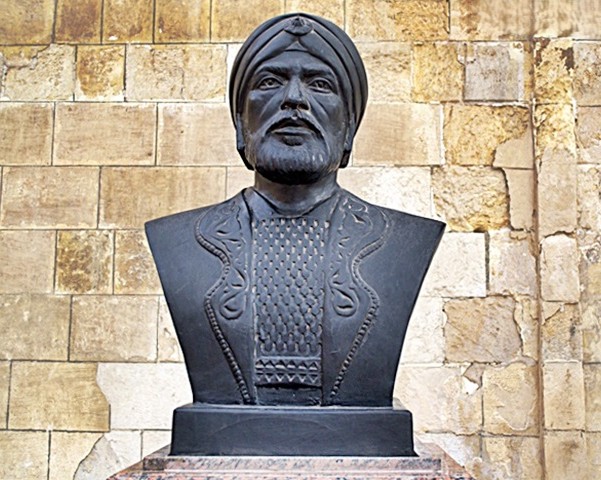
🛡️⚔️ In 1260 CE, the Battle of Ain Jalut, fought in the Jezreel Valley of Palestine, became one of the most pivotal military confrontations of the medieval era. The Mongol Empire, having already sacked Baghdad—the capital of the Abbasid Caliphate—advanced relentlessly westward, and the fall of Egypt and North Africa appeared inevitable. But the Mamluk Sultanate, under the leadership of Sultan Saif ad-Din Qutuz and General Baybars, chose to resist. In preparation for the invasion, the Mamluks made a crucial decision: they began recruiting native Egyptian communities to strengthen their logistical, intelligence, and supply networks—a strategic shift toward a more inclusive model of national defense. United by the threat of annihilation, Egyptians played vital roles off the battlefield, while Mamluk forces on the ground employed tactical deception, rapid cavalry maneuvers, and disciplined coordination to deliver the first major defeat of the Mongol Empire. The victory at Ain Jalut not only spared Egypt from conquest but halted Mongol expansion into Africa and cemented the Mamluks' legacy as the defenders of Egypt.
🏛️ In Honor of Ain Jalut and Egypt's Defenders We stand today in solemn remembrance of the heroic stand at Ain Jalut — a moment when courage, unity, and faith overcame one of history's most feared empires. To Sultan Qutuz and Baybars, we offer eternal gratitude for their unmatched leadership, and to the brave soldiers of the Mamluk army, including the many native Egyptians who supported the campaign, we honor your service and sacrifice. You stood together not as conquerors, but as defenders of a civilization, a faith, and a homeland. The victory at Ain Jalut was not merely a military success — it was a declaration that Egypt would never yield to tyranny. May this legacy inspire generations to come, and may the spirit of Ain Jalut forever echo in the heart of every Egyptian who rises in defense of the land.. For more information about the fitness parade, please visit the EVENTS section.
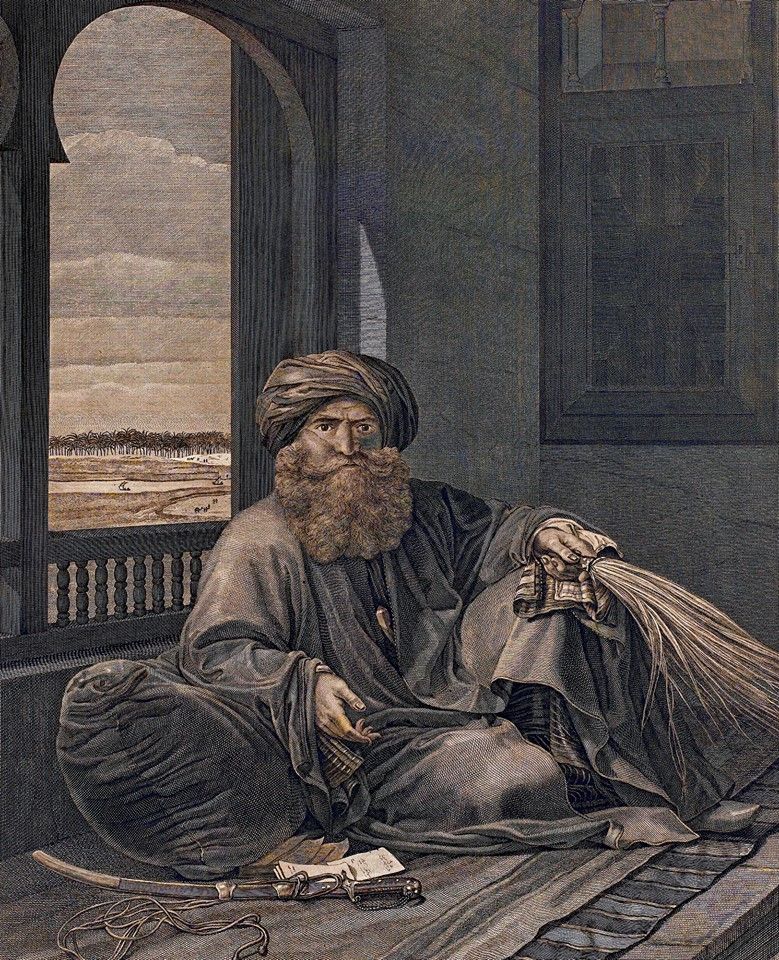
🛡️⚔️ From 1517 to 1805, Egypt came under the control of the Ottoman Empire, yet true authority often remained with the Mamluks, who continued to govern through a complex power-sharing arrangement. Although nominally under Ottoman rule, Egyptians frequently resisted heavy-handed imperial policies. The 16th to 18th centuries saw occasional revolts and power struggles, as local forces sought greater autonomy. In 1798, a new foreign challenge emerged when Napoleon Bonaparte invaded Egypt during his campaign to weaken British influence in the East. While the French briefly occupied Cairo and Alexandria, they faced fierce resistance from Egyptian civilians, scholars, Mamluks, and local militias. The occupation ended by 1801, when combined British and Ottoman forces, with local support, forced the French to withdraw. These events marked a period of hardship but also demonstrated Egypt's enduring spirit of resistance against imperial control—whether Ottoman, French, or otherwise.
🏛️ In Honor of Egypt's Defiance (1517-1801) We honor the generations of Egyptians who endured foreign rule, yet never surrendered their will. To the Mamluks, local leaders, scholars, and citizens who resisted oppression—whether under Ottoman domination or during Napoleon's brief occupation—we offer our gratitude. You kept the flame of sovereignty alive during centuries of control and conflict. For more information about the fitness parade, please visit the EVENTS section.
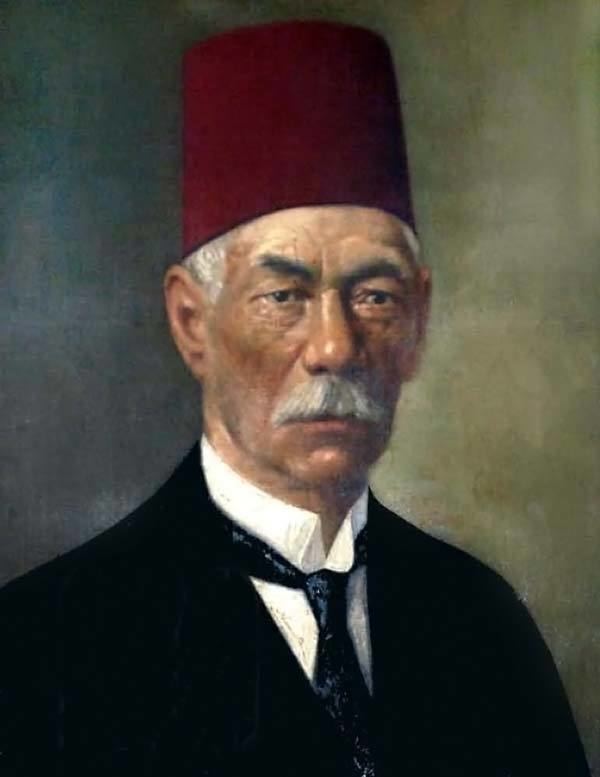
🛡️⚔️ In 1882, Britain invaded Egypt following the Ahmed Urabi Revolt, beginning a military occupation that would last for seven decades. Although Egypt remained nominally under Ottoman suzerainty, real control rested with the British, especially over the Suez Canal, the army, and foreign affairs. Egyptian frustration with colonial control grew steadily, culminating in the 1919 Revolution, led by Saad Zaghloul and the Wafd Party. This nationwide uprising, marked by protests, strikes, and civil disobedience across all sectors of Egyptian society—men and women, alike—forced Britain to reconsider its grip. On 28 February 1922, Britain issued a unilateral declaration of Egyptian independence, recognizing Egypt as a sovereign state. However, the British retained control over key areas including defense, foreign policy, and the Suez Canal, making the independence partial. The struggle for full sovereignty would continue for decades, laying the foundation for the Egyptian Revolution of 1952, which finally ended colonial influence and gave birth to the modern Egypt Republic.
🏛️ In Honor of Egypt's Resistance (1882-1952) We honor the courage of those who stood against colonial rule, from the fields of Tel El Kebir to the streets of Cairo. To Ahmed Urabi, Saad Zaghloul, and the countless unnamed men and women who protested, resisted, and dreamed of a free Egypt—we remember your sacrifices. Your voices carried the soul of a nation yearning for dignity and independence. For more information about the fitness parade, please visit the EVENTS section.
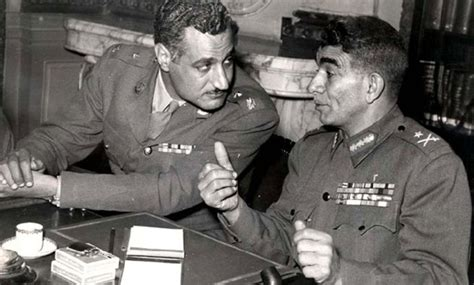
🛡️⚔️ On this proud day, July 23, we gather to commemorate the 1952 Revolution — a defining moment in Egypt's modern history. We celebrate the courage of the Free Officers Movement, whose bold action ended monarchy, foreign domination, and social injustice. Under the leadership of Gamal Abdel Nasser and Mohamed Naguib, Egypt rose from subjugation to sovereignty, from inherited rule to republican will. Today, we honor not only the men in uniform but also the Egyptian people — whose hope, sacrifice, and unity carried the nation into a new era. As flags are raised across the country and voices ring with pride, let us remember: the revolution was not just a stand against Britain's imperial control — it was a rebirth of Egyptian identity and national pride..
🏛️ In Honor of Egypt's Resistance and Revolution July 23, 1952 - The Dawn of the Republic. Today, we raise the flag of Egypt in honor of the brave Free Officers and the Egyptian people who rose to reclaim their destiny. On this day in 1952, the voices of dignity, justice, and national pride ended the monarchy and colonial shadow, giving birth to a new republic. To Mohamed Naguib, Gamal Abdel Nasser, and the countless patriots who dreamed of a sovereign Egypt — we offer our enduring gratitude. Let the spirit of liberation continue to guide us. Long live Egypt — strong, free, and united. For more information about the fitness parade, please visit the EVENTS section.
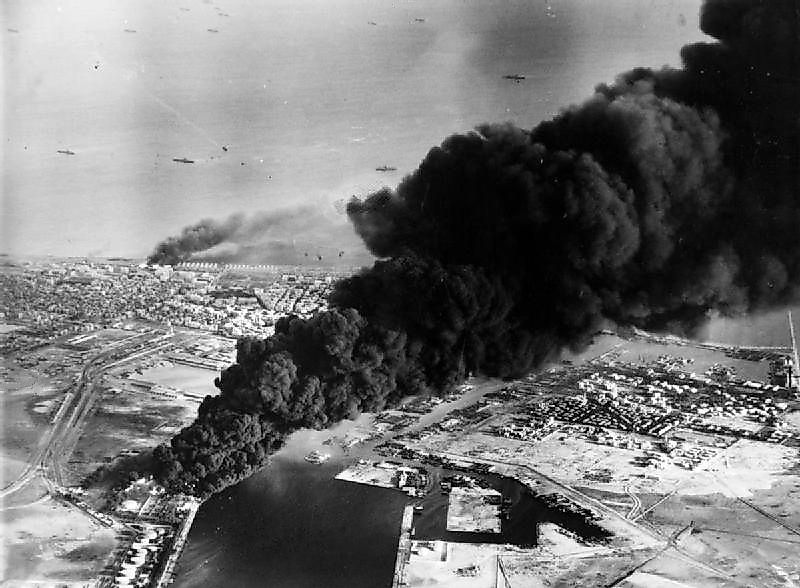
🛡️⚔️ In October 1956, as Egypt stood tall after nationalizing the Suez Canal, a storm struck. Britain, France, and Zionist occupation forces (ZOF) conspired to break Egypt's will and reclaim colonial control. Their warships came, their bombs dropped on civilians — in Port Said, in alleyways and on rooftops, ordinary Egyptians fought ferociously. Soldiers, youth, men, women and civilians resisted fiercely, turning the canal city into a symbol of defiance. Though invaded, Egypt was never conquered. Under Nasser's leadership, and with the world watching, the aggressors withdrew. The canal remained ours.
🏛️ Honoring the Resistance against 1956 Tripartite Aggression.. We gather in solemn pride to honor the heroic resistance of the Egyptian people during the Tripartite Aggression of 1956. When Britain, France, and Israel launched a coordinated attack to seize the Suez Canal and undermine Egypt's sovereignty, our nation stood tall under the leadership of President Gamal Abdel Nasser. From the battlefields of Port Said to the hearts of every Egyptian, the spirit of defiance surged. Civilians and soldiers fought side by side, armed with nothing but courage, unity, and love for their homeland. Though outmatched in weaponry, Egypt triumphed through resilience, diplomatic strength, and international solidarity. The Suez Crisis was not only a military confrontation — it was a declaration that Egypt will never be ruled again by foreign hands. Today, we salute the brave souls who defended our land and dignity, and we raise our flag in their eternal honor. For more information about the fitness parade, please visit the EVENTS section.
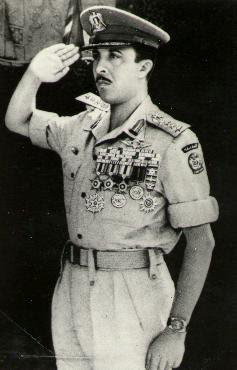
⚔️ 🪖 Ibrahim El-Rifa'i — The Ghost Commander of Group 39, Brigadier General Ibrahim El-Rifa'i, founder and commander of the elite Group 39 Combat Unit (المجموعة ٣٩ قتال), was a fearless and brilliantly strategic commando leader whose daring missions shattered enemy lines and morale. On July 25, 1969, he launched one of his earliest operations as the group began its legendary campaign. Renowned for his deep-penetration raids into occupied territory, El-Rifa'i led 92 successful missions of sabotage, ambush, and tactical strikes behind enemy lines during the War of Attrition and the October War. These operations delivered a series of crippling blows to Israeli supply chains, military outposts, and morale. One of his most symbolic actions came after the martyrdom of General Abdel Moneim Riad, when El-Rifa'i led a brutal revenge mission, killing 44 Israeli soldiers and raising the Egyptian flag atop an Israeli military position—where it remained for over three months. This act stunned the enemy and uplifted Egyptian spirits. The legend of Group 39 only grew with time. Feared for its ferocity and lightning-fast retaliation, the unit struck terror deep into the heart of the - Zionist/ Israeli occupation force. So feared was the group that Ariel Sharon himself reportedly retreated upon learning he was facing them—tying a bandage around his head and claiming injury, gripped by fear of certain death. During the War of Attrition, Israel pleaded with the United States to broker a ceasefire with Egypt not once, but five times—explicitly citing the relentless pressure and operations carried out by Group 39. The Israeli government even filed a complaint with the UN Security Council, accusing El-Rifa'i of "brutally" killing 44 of its soldiers. In a desperate move, Prime Minister Golda Meir allegedly placed a $5 million bounty on his life, determined to silence the ghost who haunted their forces. El-Rifa'i's unit went further, capturing elite Israeli officers, including Dani Shmuel, a paratrooper commander, in daring raids that deeply humiliated the Israeli military leadership. Israeli intelligence began tracking El-Rifa'i by name. His sudden, unpredictable appearances were so effective that he became known as a ghost-like threat—unseen until it was too late. Commanders feared him. Soldiers whispered about him. He wasn't just a man; he was psychological warfare in human form. Under the unrelenting pressure exerted by leaders like El-Rifa'i during the War of Attrition, Israel suffered approximately 1,400 soldiers killed, around 3,000 wounded, the loss of 14 to 20 aircraft, and the sinking of the destroyer INS Eilat—a testament to the strategic and psychological impact of his operations.
🏛️ Honoring the The Humanoid Devil of the Battlefield. 👹. To his country, Ibrahim El-Rifa'i was a national hero, but to the enemy, he was what they referred to as “The Humanoid Devil” (الشيطان المتجسد في هيئة بشر). His relentless assaults, tactical precision, and chilling unpredictability made him a living nightmare for Israeli occupation forces. After his martyrdom on October 19, 1973, while defending the Ismailia front during the critical phase of the October War, Egypt honored him with its highest military decorations, including the Medal of the Military Star and the Sinai Star. His legend continues to live on—not just as a commander, but as the embodiment of Egyptian resistance and vengeance. El-Rifa'i didn't just fight battles; he rewrote the rules of unconventional warfare and etched his name into the soul of a nation.. Today, we salute the brave souls who defended our land and dignity, and we raise our flag in their eternal honor. For more information about the fitness parade, please visit the EVENTS section.
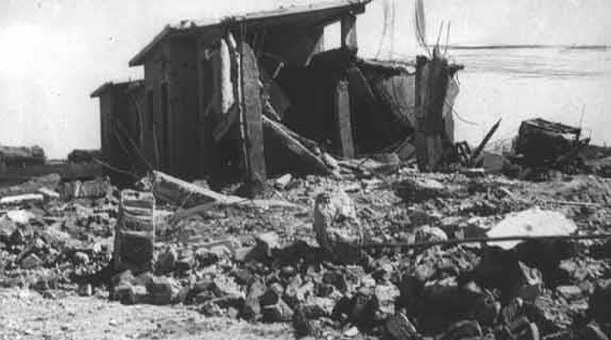
⚔️ 🪖 On April 8, 1970, during the height of the War of Attrition, five Israeli Air Force F-4 Phantom II jets carried out a deliberate air strike on Bahr El-Baqar Primary School, a civilian institution in the Sharqiya Governorate, killing 46 young students and wounding over 50 others, while completely obliterating the building. With the school in full operation and approximately 130 students enrolled (many present that morning), the victims were ordinary school children whose futures were cut short in a moment of terror, The attack was part of Operation Priha, a series of deep-penetration raids aimed at pressuring Egypt by targeting interior points, and Bahr El-Baqar's school was struck with five 1,000-lb bombs and two air-to-ground missiles, leading to total destruction, Egypt swiftly condemned the atrocity as a war crime and deliberate massacre of innocent civilians, while Israeli - Zionist occupation Force ZOF - sources claimed it was a “tragic mistake” caused by mistaken targeting—notwithstanding widespread doubt and deep national grief, the people of Sharqiya still refer to April 8 as “Black Day,” and the village has since established a memorial museum showcasing children's belongings, remnants of their uniforms, and collected artifacts in tribute to the young martyrs
🏛️ On April 8th each year, the Bahr El-Baqar school bombing is solemnly commemorated across Egypt, particularly in Sharqiya, where the students and educators gather at the site of the tragedy to lay wreaths, recount the stories of the fallen children, and renew our national vow that such innocence must never be destroyed again, The ceremony often includes moments of silence, reading of the victims' names, visits to the onsite museum honoring the martyrs, displays of their personal effects, and prayers as communities unite in collective mourning and remembrance. This day stands as a powerful reminder of the brutality faced by innocent Egyptians and the resilience of our people. It affirms our shared duty to protect our schools, cherish our children, and guard against the forces that seek to undermine our future. In honoring these young lives, we renew our resolve to teach, nurture, and uphold peace — so that never again will the laughter of children be silenced by the shadow of war. For more information about the fitness parade, please visit the EVENTS section.
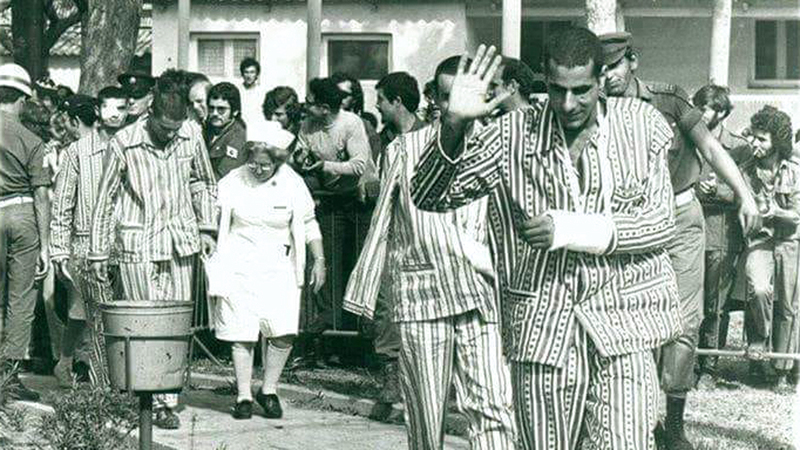
⚔️ 🪖 Memorial Day Celebrated In Honor of the great Army of Egypt, for the successful attack against the Enemy of Egypt. The Egyptian Army's performance in the October 1973 War stands as a historic testament to courage, strategy, and national resilience. In a stunning reversal of expectations, Egyptian forces inflicted heavy human and material losses on the Israeli occupation force—destroying up to 1,000 tanks, downing over 100 aircraft, capturing elite officers, and shattering the myth of Israeli invincibility. With meticulous planning under Operation Badr, Egyptian engineers used innovative tactics—such as high-pressure water pumps to breach the massive sand embankments of the Bar-Lev Line—while artillery, air strikes, and infantry worked in perfect coordination to dismantle what was once deemed an impregnable defense. The Egyptian special forces neutralized Israeli napalm traps, while anti-tank units like those led by hero Ahmed Hamdy and tank destroyer Abdel Ati played decisive roles. In just hours, Egyptian troops crossed the Suez Canal, secured the eastern bank, and demolished the Bar-Lev Line—rendering ineffective the multi-million-dollar fortifications partially funded by U.S. aid. This decisive victory played a vital role in the restoration of Sinai, reshaped regional military doctrine, and forever honored the Egyptian Army as a symbol of strategic brilliance and national pride. The October 1973 War dealt Israel one of the most devastating blows in its military history, resulting in the loss of approximately 2,688 soldiers, over 7,500 wounded, and hundreds taken prisoner, including senior officers like Colonel Assaf Yaguri. Material losses were equally severe, with 800-1,000 tanks destroyed—nearly a third of Israel's armored fleet—alongside the downing of 102-120 fighter jets, 25 helicopters, several naval vessels, and countless armored vehicles, artillery units, and command centers. Key battles such as the Chinese Farm, Firdan, and Suez City saw entire brigades annihilated. Beyond the battlefield, the psychological impact was immense, as the myth of Israeli military superiority crumbled and a major intelligence failure was exposed. Central to this collapse was the destruction of the Bar-Lev Line—once hailed as invincible—which cost an estimated $100-200 million in 1970s U.S. dollars (equivalent to $660 million to $1.32 billion today), much of it indirectly financed through American military aid. In a matter of hours, Egypt's innovative tactics and precise coordination rendered years of Israeli fortification efforts obsolete, turning a massive financial and strategic investment into rubble.
Conclusion: The October 1973 War stands as one of the most remarkable military epics in modern history, marked by a clear technological superiority of the Israeli army over the Egyptian army in terms of military equipment. Israel possessed advanced weaponry, including modern fighter jets like the Mirage and Phantom, as well as sophisticated tanks such as the M60 Patton, backed by cutting-edge Western technology. In contrast, the Egyptian army relied on Soviet weaponry, some of which were relatively outdated, such as T-55 and T-62 tanks, and equipment dating back to the post-World War II era. Despite this significant disparity in armament, the Egyptian army achieved a resounding victory in the early stages of the war, particularly with the crossing of the Suez Canal and the destruction of the Bar-Lev defensive line. This triumph was not merely a military achievement but also inflicted severe losses on Israel, both in terms of personnel and equipment, reshaping the strategic balance in the region. Meticulous planning, the element of surprise, and the high fighting spirit of the Egyptian soldiers were the decisive factors that overturned the balance of power despite Israel's technological superiority.
🏛️ Today, we stand in solemn pride to honor the heroes of the Egyptian Army 👹, whose courage, discipline, and unwavering commitment in the October 1973 War changed the course of history. With unmatched bravery and strategic brilliance, they crossed the Suez Canal, shattered the fortified Bar-Lev Line, and restored dignity and hope to an entire nation. Their sacrifice and valor will forever be etched in our memory as a symbol of national pride and military excellence. We salute the sons of Egypt—guardians of the homeland, and champions of honor. For more information about the fitness parade, please visit the EVENTS section.
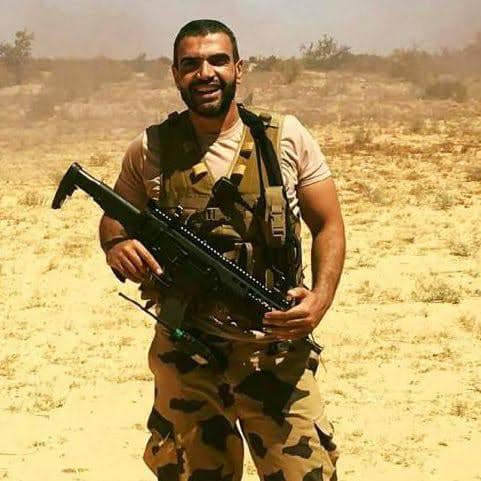
⚔️ 🪖 Memorial Day Celebrated In Honor of the great Army of Egypt. Ahmed Saber Al-Mansy, born on February 19, 1978, in the village of Al-Safaniya, Belbeis, Sharqia Governorate, Egypt, was a highly decorated Egyptian military officer renowned for his valor and leadership. After his graduation from the Egyptian Military Academy in 1998 (Batch 92), he served for a long time in the Special Forces Task Force Unit 999, one of the most powerful units in Egypt's Thunderbolt Battalion Forces (i.e. Sa'ka Forces). In 2001, he joined the first Egyptian SEAL Team training and was later selected in 2006 to travel to the United States of America to attend the U.S. Navy SEALs Basic Underwater Demolition/SEAL (BUD/S) Class 258, one of the most demanding special operations training courses in the world. Out of more than 1,000 candidates, Al-Mansy was one of only 37 trainees to successfully complete the program. He later earned a Master's degree in Military Sciences from the Command and Staff College and was celebrated for his exceptional physical fitness, tactical acumen, and leadership—qualities that led terrorists to nickname him "The Greater Peacock" for his devastating impact on extremist groups. One of his most notable acts of heroism occurred during the Al-Barth military-checkpoint on July 7, 2017, in the village of Al-Barth, south of Rafah in North Sinai, a strategic location frequently targeted by terrorist elements affiliated with ISIS's "Sinai Province." The attack involved 40-60 heavily armed terrorists equipped with RPGs, machine guns, and 4-6 explosive-laden vehicles, who launched a multi-directional assault at around 6:30 AM, intending to breach and overrun the military outpost. Despite being outnumbered, the 103rd Thunderbolt Battalion under Al-Mansy's command—comprising just 20-30 soldiers—mounted a fierce defense using light and medium weapons. Al-Mansy personally led the battle from the rooftop of the checkpoint main building, effectively directing fire and organizing defensive lines. His tactical brilliance included splitting the force to cover all axes, utilizing the terrain for advantage, forming a circular defense, and prioritizing the evacuation and protection of wounded and fallen comrades. The battalion successfully neutralized several explosive-laden vehicles with anti-armor weapons and inflicted heavy losses on the attackers, killing approximately 40 terrorists and destroying all vehicle bombs. Though Al-Mansy and several of his men (around 13) were martyred, the checkpoint site was never breached. His unwavering resolve and refusal to retreat under immense pressure played a pivotal role in maintaining the unit's morale and cohesion until reinforcements and air support arrived about four hours later. This heroic stand not only thwarted a devastating attack but also became a legendary example of battlefield courage and is now studied in Egyptian military academies as a model of sacrifice, resilience, and tactical brilliance. .
🏛️ Today, we stand in solemn pride to honor the heroes of the Egyptian Army . In honor of Ahmed Saber Al-Mansy's unmatched bravery and ultimate sacrifice, a solemn memorial ceremony was held to commemorate his heroic legacy and the lives of his fallen comrades. The ceremony, attended by senior military officials, comrades-in-arms, and grieving citizens, reflected the nation's deep respect and gratitude for a leader who embodied the highest values of courage, loyalty, and patriotism. The Egyptian flag draped his casket as a symbol of national pride, while a military band performed the national anthem, followed by a moment of silence to honor the martyrs. Al-Mansy was posthumously awarded high military honors, and his legacy was immortalized in speeches that highlighted his leadership in the face of overwhelming odds during the Al-Barth checkpoint. His family received the accolades on his behalf, their grief tempered by the knowledge that his sacrifice had inspired a nation and fortified the spirit of resistance against terrorism. The memorial served not only as a tribute to a fallen hero but also as a reminder of the enduring values for which he stood—duty, honor, and country. For more information about the fitness parade, please visit the EVENTS section.